When the blinds stack up and only a handful of players remain, the usual playbook stops working. Poker final table strategy is less about flashy hero calls and more about patient, measurable decisions that protect your stack while waiting for the right spots. It’s the kind of thinking I bring to data and AI partnerships across financial services and elite sport: strip out the noise, track what actually moves the needle, and let the numbers guide the next move. That mindset matters just as much when you’re down to four or five at a felt table in Newcastle, nursing a cold one after a long arvo session.
Focus on stack-aware patience over hero plays
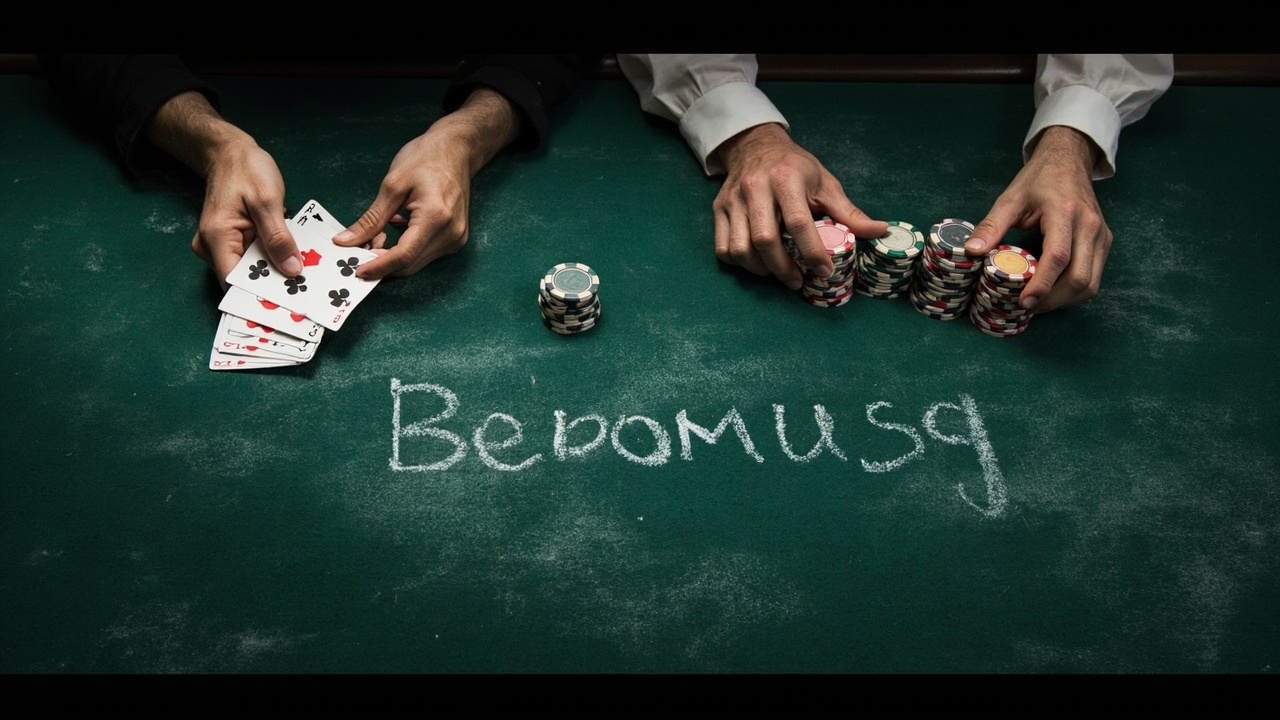
Most players tighten up too early and then overcorrect when the action heats up. The smarter read is to treat every hand as a small data point rather than a make-or-break moment. I’ve seen the same pattern in telco churn modelling: the operators who panic and rewrite the script every week lose more than the ones who watch the trend lines and adjust gradually. At a final table, that means respecting your position, respecting the blinds, and letting opponents hand you the edges they’re desperate to create.
| Detail | What it looks like |
|---|---|
| Positioning | Late-stage focus on stack preservation and selective aggression |
| Games and providers | Hold’em and Omaha cash and tournament formats, with a rotating provider slate |
| Bonus mechanics | Staged tournament entry credits and reload incentives tied to clear wagering terms |
| Payments and currencies | AUD balances, common local deposit methods, and transparent withdrawal windows |
| Registration | Straightforward sign-up with standard identity checks before real-money play |
| Mobile | Full tournament lobby and table access on mobile browsers, no separate app required |
| Support | Email and live chat during busy periods, with response times that hold up on weekends |
| Loyalty | Points earned on rake and tournament fees, redeemable against future entries |
The table above keeps the moving parts in one place, because when you’re juggling blind pressure, payout jumps, and a short stack, you don’t want to be hunting for basics mid-hand. What matters is how those pieces fit together when the pressure mounts.
That’s why a clear, scannable layout does the heavy lifting when the action tightens. Keeping your decision tree visible and your stack management rules front and centre turns guesswork into a repeatable process. For a deeper look at structuring those moving parts under pressure, you can explore the breakdowns at claudiafoulkes.com.
How the late-stage decisions stack up
Reading the payout structure and your stack size
The jump in payouts at a final table changes everything. A medium stack that’s comfortable in the middle of a tournament can suddenly feel pinned when only the top three payouts are realistic. I’ve worked on reward models where the incentive curve shifts partway through, and the same discipline applies here: know exactly where the next payout step lands, then play for the spots that actually move your expected value. That’s not about chasing every pot; it’s about folding the noisy hands early and staying ready when a premium holding arrives.
Adjusting aggression when the blinds bite
As the blinds climb, the cost of sitting back grows faster than most players admit. A measured push in late position beats endless limping, especially when you’ve already gathered a few tells on the table. I’ve seen data partnerships in iGaming where the operators who track engagement by session, not by flashy headline numbers, end up with cleaner readouts and better decisions. The same goes for a final table: count the orbits, note who’s tightening up, and pick your spots rather than trying to force action from a weak stack.
Linking the approach to what players actually need
What players want at a final table is simple on the surface and harder in practice: stay in the hunt without blowing up on a coin flip. A solid poker final table strategy gives you that frame, and it’s the same reason I push for clear outcomes in sport analytics rather than vanity metrics. You want a setup that keeps the lobby readable, the balances in AUD, and the entry terms easy to check before you commit. When the interface is tidy and the localisation feels native, you spend less time fighting the screen and more time reading the table. That’s the difference between a session that feels busy as a footy crowd and one that just feels messy.
The real test is whether the whole thing holds together when the pressure’s on and the clock’s ticking. A patient, stack-aware approach won’t hand you wins on a platter, but it does give you a cleaner way to think through the spots that matter. Have you got a final-table moment that changed the way you play, or a mate whose late-stage reads you trust? Drop it in the comments or send the article to a mate who’s always keen for a decent arvo session.