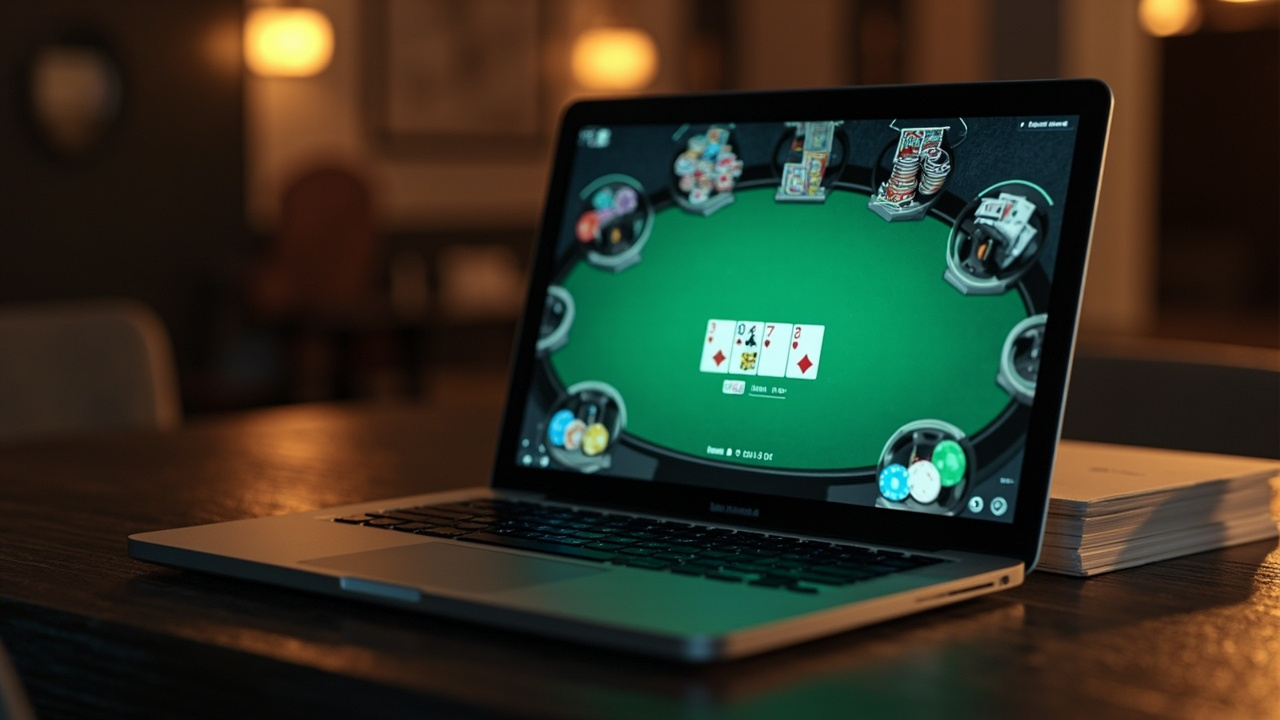
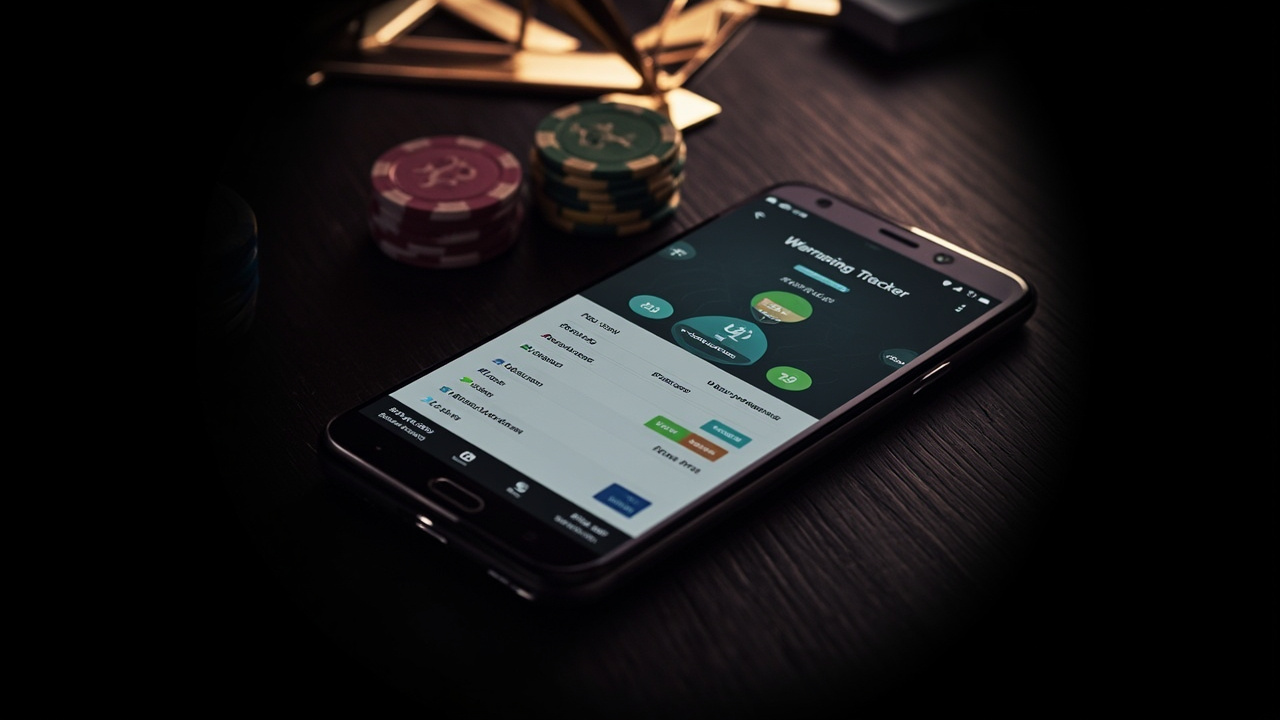
Most costly slips at the blackjack table happen in the decision, not the dealing – and on a five-inch screen, impatient thumbs get punished faster than the felt ever did. If you have burned a few dollars on a tap-tap plinko board outside Salamanca Markets, the team behind plinko-machine-au.com ran the same finger-speed numbers we now apply to twenty-one.
This guide is built around the questions worth weighing before you tap “deal”, so your next session on a Hobart train reads like a deliberate choice, not a busy-as reflex.
Does the mobile setup actually hold up when the cards start moving?

Before you worry about whether to split eights, ask the boring infrastructure questions first. A stable 4G or home NBN connection in a Hobart waterfront apartment is one thing; squeezing a session onto flaky café Wi-Fi at Brooke Street Pier is another. The same lesson we apply in fintech app delivery: throughput, latency, and how the screen repaints under load decide whether the experience feels like a tool or a toy.
Most Australian blackjack products run as a mobile browser session or a downloadable app, and the difference is more than cosmetic. A well-built browser version loads without delay on a recent iPhone or mid-range Android, supports landscape orientation, and keeps the chip stack and stand/hit buttons within thumb reach without resizing the betting grid. An app can shave a little latency and remember your seat, but it consumes storage, demands updates, and may lag behind the live dealer lobby if the operator pushes changes to the web build first.
Check three things before you commit: pinch-to-zoom on the rules panel, the time the lobby takes to refresh after a lost signal, and whether the cashier behaves sensibly when the screen rotates mid-deposit. If any of those stumble, the platform is telling you something about its engineering maturity that no welcome bonus can paper over.
Where do most players slip up on a phone screen?
Strategy slips the small screen hides
A six-inch display tempts you to make decisions the chart would never approve of. Doubling on eleven against a ten looks bold on a desktop with a wide chip tray; on mobile, with the bet slider one thumb-press from a max chip, the same call gets pushed into “gut feel” territory. Across markets – New Zealand, the UK, and US states like Nevada – the pattern is the same: mobile blackjack sessions tend to run a third longer than desktop ones, and basic strategy adherence drops by a comparable margin. The behavioural drift is consistent across every operator dashboard we have seen. The fix is procedural: lock your bet size before the deal animation starts, and treat the stand/hit button as confirmation of a decision you already made when the cards left the shoe. If the app offers a pre-decision toggle, use it; if it doesn’t, the platform is probably not engineered for serious play.
Bankroll slips the tilt spiral hides
The other trap is the session budget that quietly doubles mid-arvo because the last hand stung. Unlike the felt, mobile never closes – there is no dealer stacking chips, no cocktail waitress cutting in, just a quiet phone and a “deposit again” button. Set a hard ceiling in dollars, not units, and move that number into a separate e-wallet before you load the cashier. When the cashier opens, double-check the rail you’re loading – the write-up on Mastercard for Aussie players is the clearest walkthrough of the small print that catches players out mid-session. We run the same discipline in wagering product reviews at work: a player’s bankroll is governed, not improvised. A quick gut-check: if you would not say your stake out loud to the barista at Villino Coffee, it is too high. Reckon on a number you’d say aloud. Australians playing offshore cannot rely on ACMA-style consumer protection, so the only safety rail is the one you build.
What does all this mean for the way you actually play?
The right mobile setup does not fix blackjack – the house edge is the house edge – but it removes every excuse you might lean on after a bad hand. If the app boots fast, the rules panel reads cleanly, and the cashier holds up under load, your attention stays on the shoe and the dealer, not on a frozen spinner. Treat the phone like a wagering tool: governed, instrumented, boringly reliable.
From here, the questions get smaller and more personal. What is your real session ceiling in dollars, not units? Which single mistake from the list above have you actually made in the last month? Can you name the bet size you will start with before you open the app? Defo write the answers down – a phone session without a written stake is just a quiet subscription to someone else’s house edge.
The point is not to make blackjack safe. The point is to make sure that when the cards go against you, you lost because the dealer had a ten – not because the app lagged mid-double. The same quiet compounding shows up across table games – a craps player rolling Little Joe does not feel a four on its own, but it tilts everything around it.
So is a mobile blackjack session worth the trouble? Yes, if you treat the phone as a tool rather than a toy: pre-decide your bet, audit the app on a flaky connection, and cap the session before you load the cashier. No, if you find yourself reaching for your favourite app to “just check” a streak – that quiet habit compounds the same way a tilt spiral compounds at the felt, only the felt eventually closes and your phone never does.
Glossary
- Shoe: the multi-deck device that holds and dispenses cards during a hand.
- Basic strategy: the mathematically optimal hit, stand, double, or split decision for every player hand against every dealer upcard.
- Pre-decision: a setting that lets you confirm hit or stand before the cards are dealt.
- House edge: the long-run percentage the casino keeps from every bet placed.
- Little Joe: craps slang for a roll of four, either the hard four (2-2) or the easy four (1-3 or 3-1).